
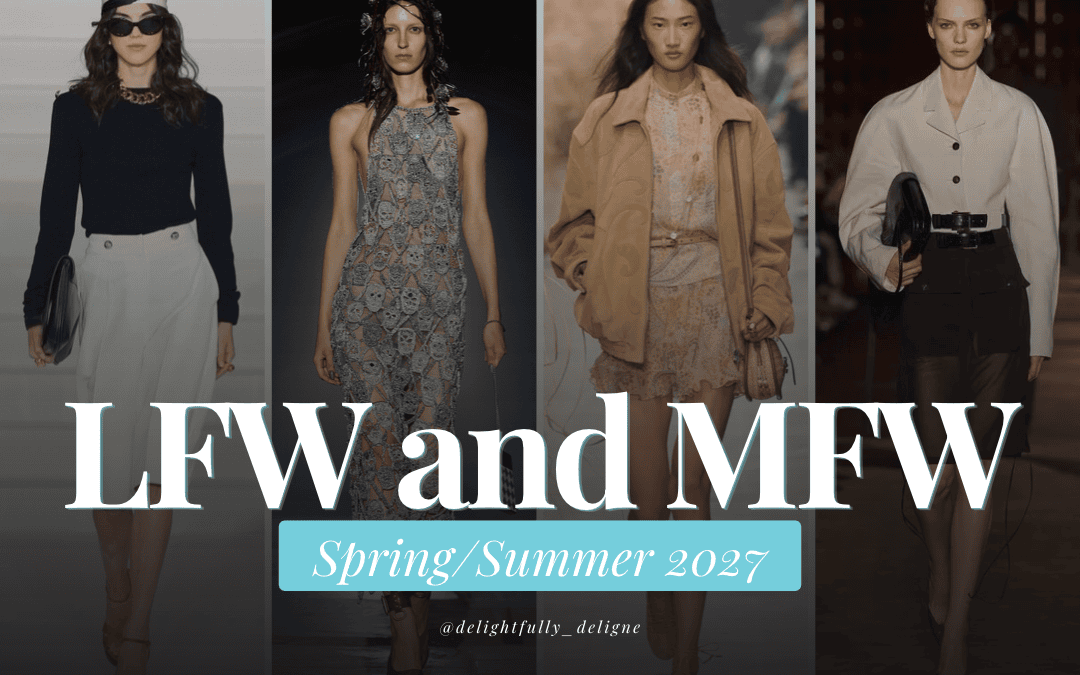
Fashion Week always offers a glimpse into how designers interpret the world around them, whether through craftsmanship, personal references, unexpected silhouettes, or a fresh perspective on familiar wardrobe staples.
For Spring/Summer 2027, London and Milan brought different creative energies to the runway. London embraced artistic expression, sculptural shapes, and romantic details, while Milan explored the relationship between heritage, modern tailoring, and material innovation.
As I looked through the collections, I found myself drawn to the details that made each designer’s vision distinctive. From Paul Costelloe’s approach to proportion and Alexander McQueen’s contrast between precision and rebellion to Etro’s evolving bohemian identity, there was plenty to explore across both cities.
Here are the designers, collections, and trends that stood out to me during London and Milan Fashion Week.
London Fashion Week: Artistic Expression and Unexpected Proportions
London’s Spring/Summer 2027 collections brought together expressive design, historical references, and a willingness to experiment. Sculptural silhouettes and romantic details appeared alongside more relaxed, everyday pieces, creating an interesting balance between fashion as artistic expression and clothing as something to be worn.
Paul Costelloe
Images sourced from Kendam
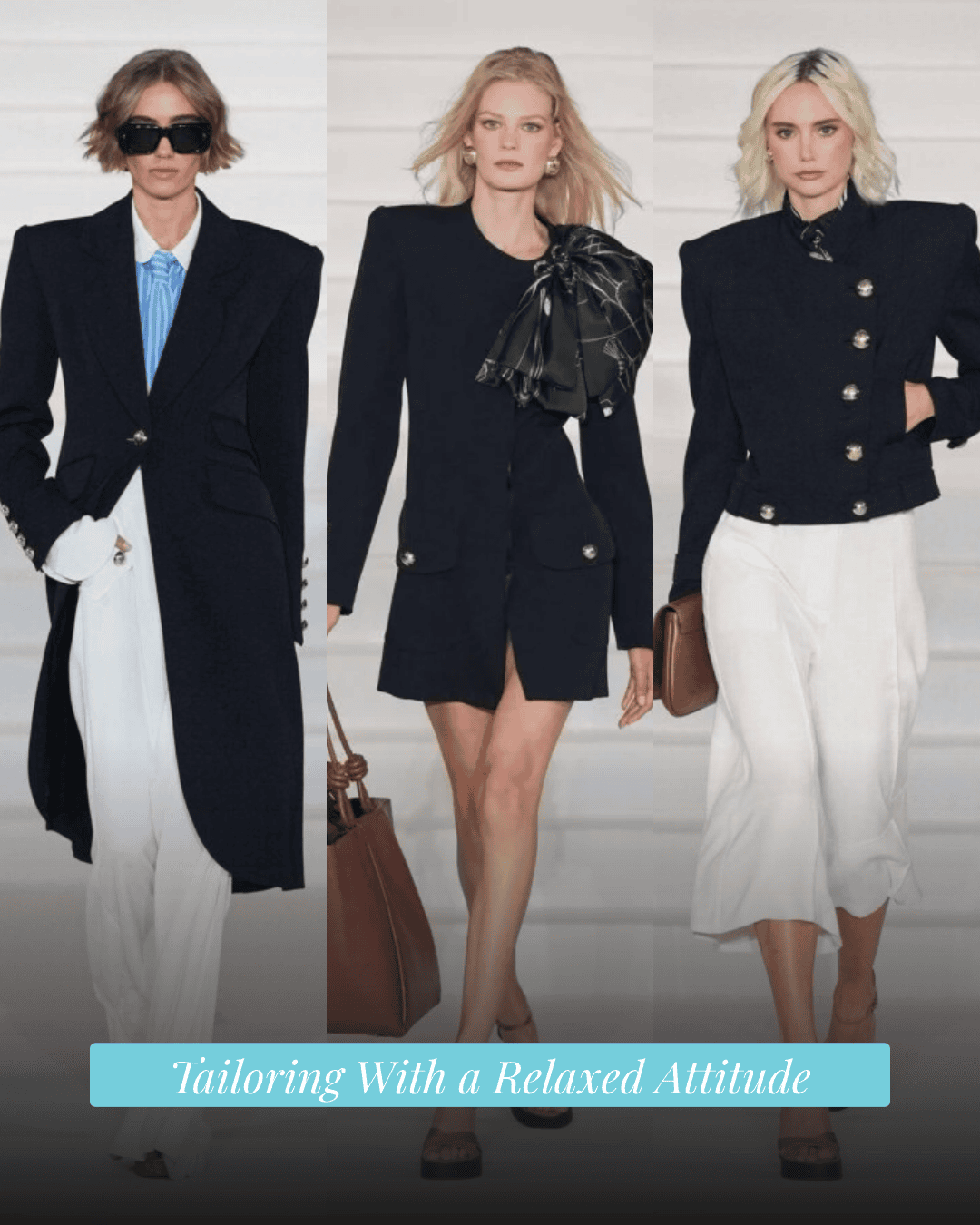
Paul Costelloe explored the relationship between classic tailoring and more relaxed proportions for Spring/Summer 2027. Nautical-inspired shirting, strong shoulders, and oversized silhouettes gave familiar wardrobe staples a fresh perspective.
What caught my attention was the balance between structure and ease. Tailoring remained an important part of the collection, but the proportions kept the looks from feeling overly formal. It was a reminder that even traditional pieces can feel contemporary when their shape and styling are reconsidered.
View Paul Costelloe SS27 Looks
Watch Paul Costelloe SS27 Reel Recap
Alexander McQueen
Images sourced from Alexander McQueen
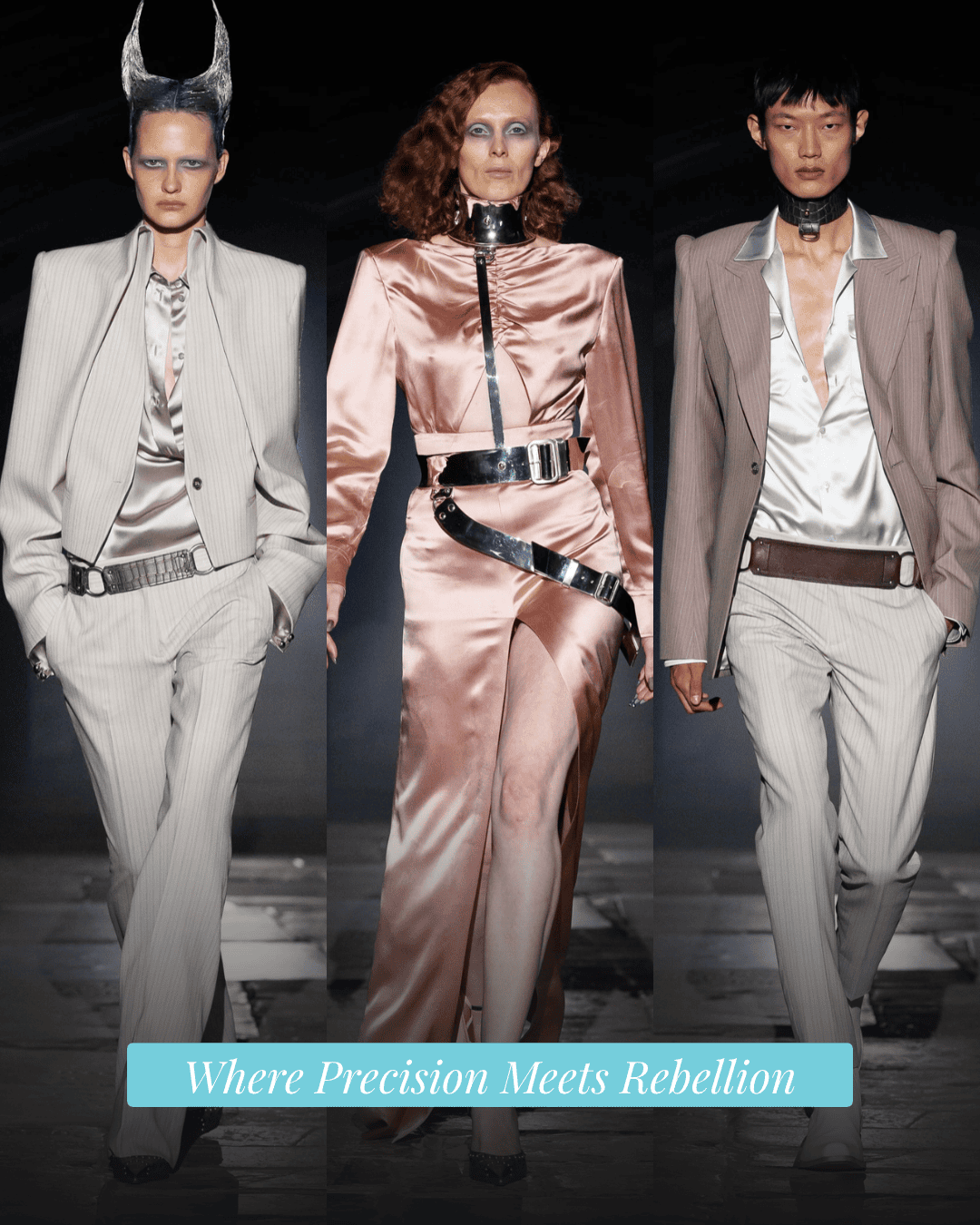
Alexander McQueen brought together contrasting references for Spring/Summer 2027, exploring the tension between sacred art and rave culture. Sculptural tailoring, sheer fabrics, leather harnesses, and metallic details created a visual conversation between structure and raw expression.
The contrast was what made the collection interesting to me. Precise construction met more provocative styling, allowing the pieces to feel both considered and rebellious. It reflected the house’s ability to use fashion to explore opposing ideas rather than settling into one aesthetic.
View Alexander McQueen SS27 Looks
Watch Alexander McQueen SS27 Reel Recap
More London Collections to Know
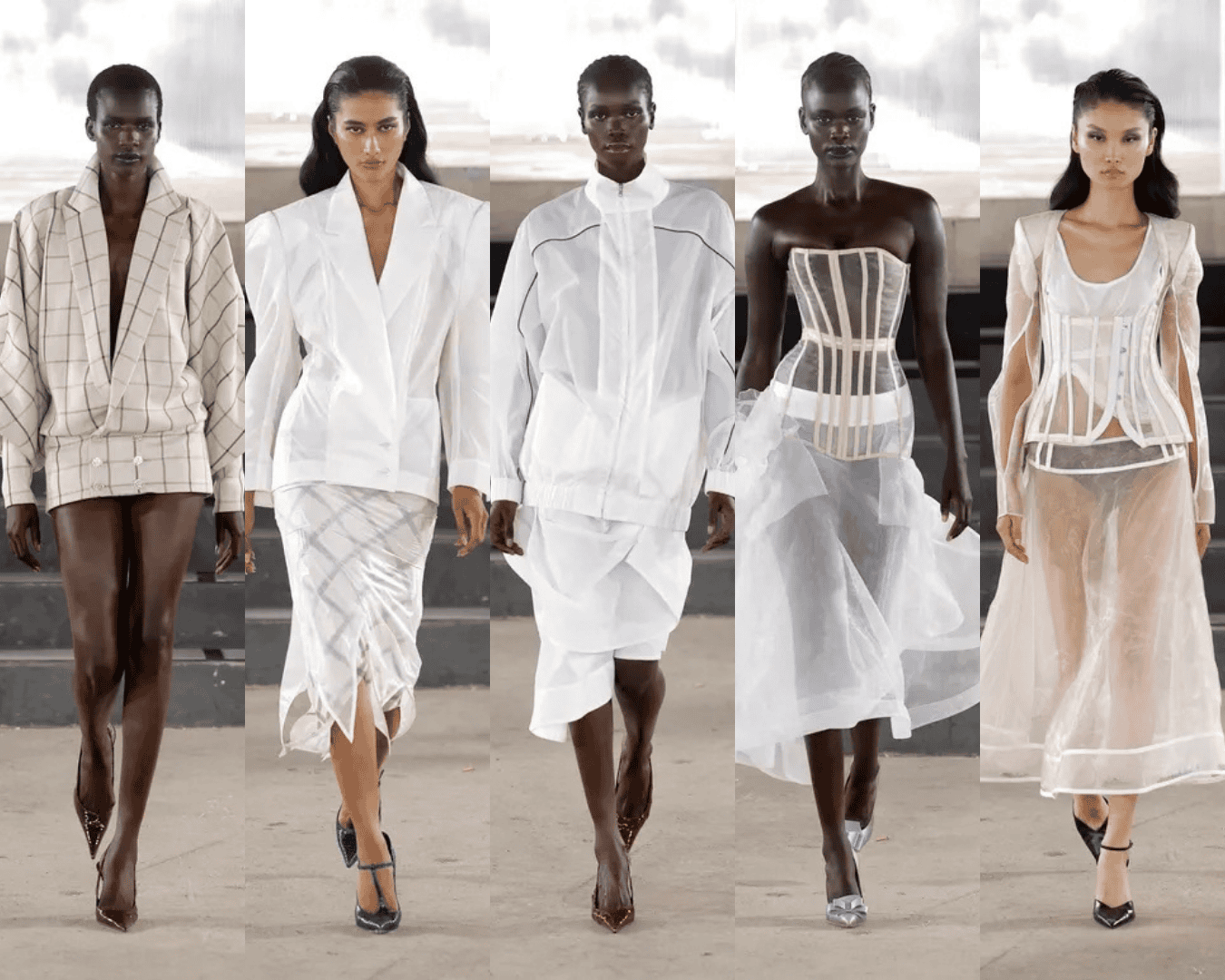
London’s Spring/Summer 2027 collections explored different ways to reinterpret familiar ideas. AGRO Studio’s Glass Body played with transparency through layered tulle, lace, sculptural corsetry, and antique buttons that distorted the delicate fabrics beneath. Dusty purples and muted blues softened the architectural shapes, creating an intriguing balance between fragility and structure.
Images sourced from Tagwalk
Simone Rocha looked to Caravaggio’s The Taking of Christ, reworking classic silhouettes through sculptural taffeta, delicate embroidery, organza details, and signature rose embellishments. I loved how she made familiar pieces feel unexpected through texture, layering, and proportion.
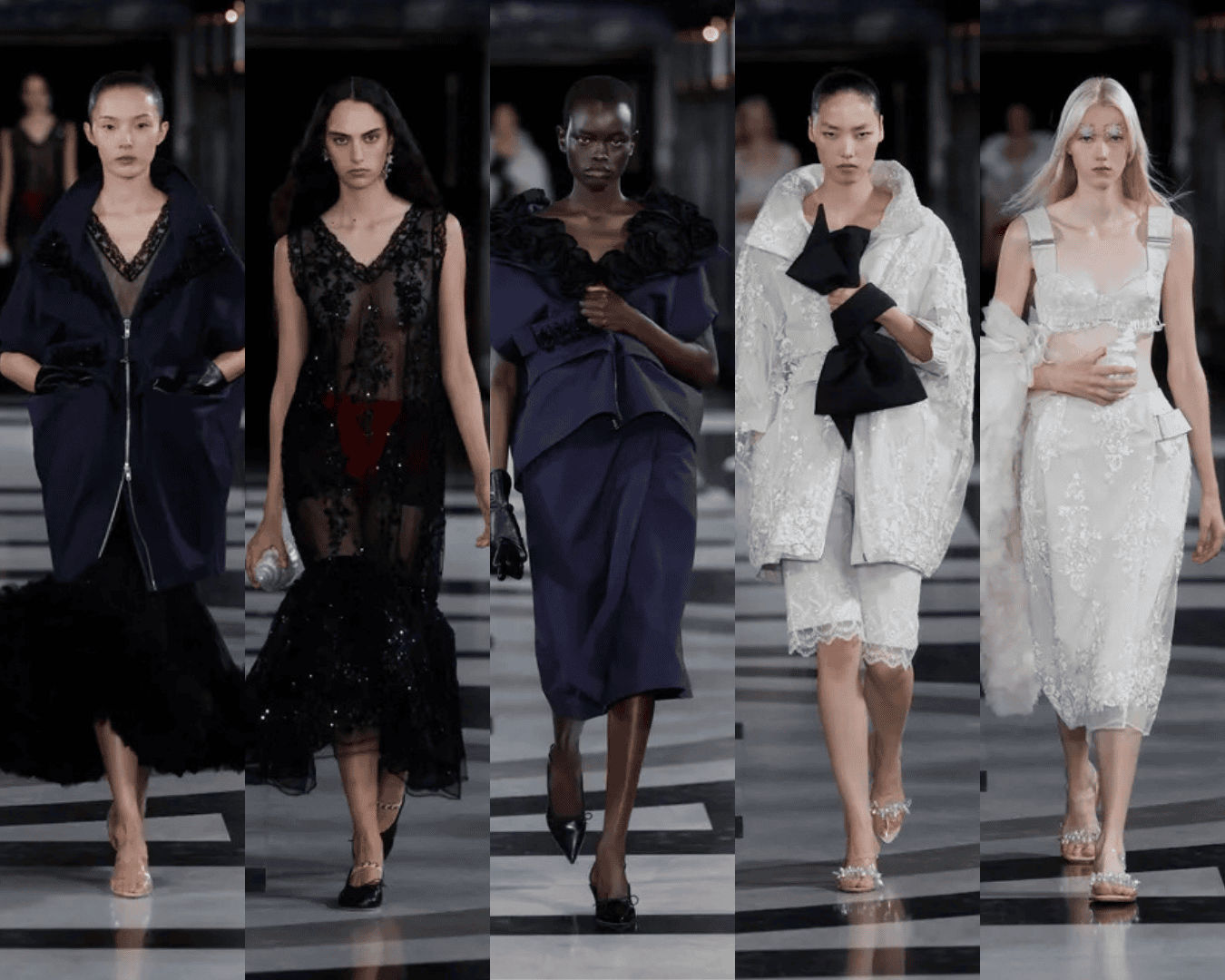
Images sourced from Tagwalk
At Burberry, Daniel Lee collaborated with British textile designer Celia Birtwell to bring expressive florals, illustrated faces, and playful checks to the runway. Botanical motifs appeared across trenches, coats, dresses, and accessories, while vibrant colors and deliberately rumpled fabrics gave the house’s traditionally polished aesthetic a more relaxed, youthful character.
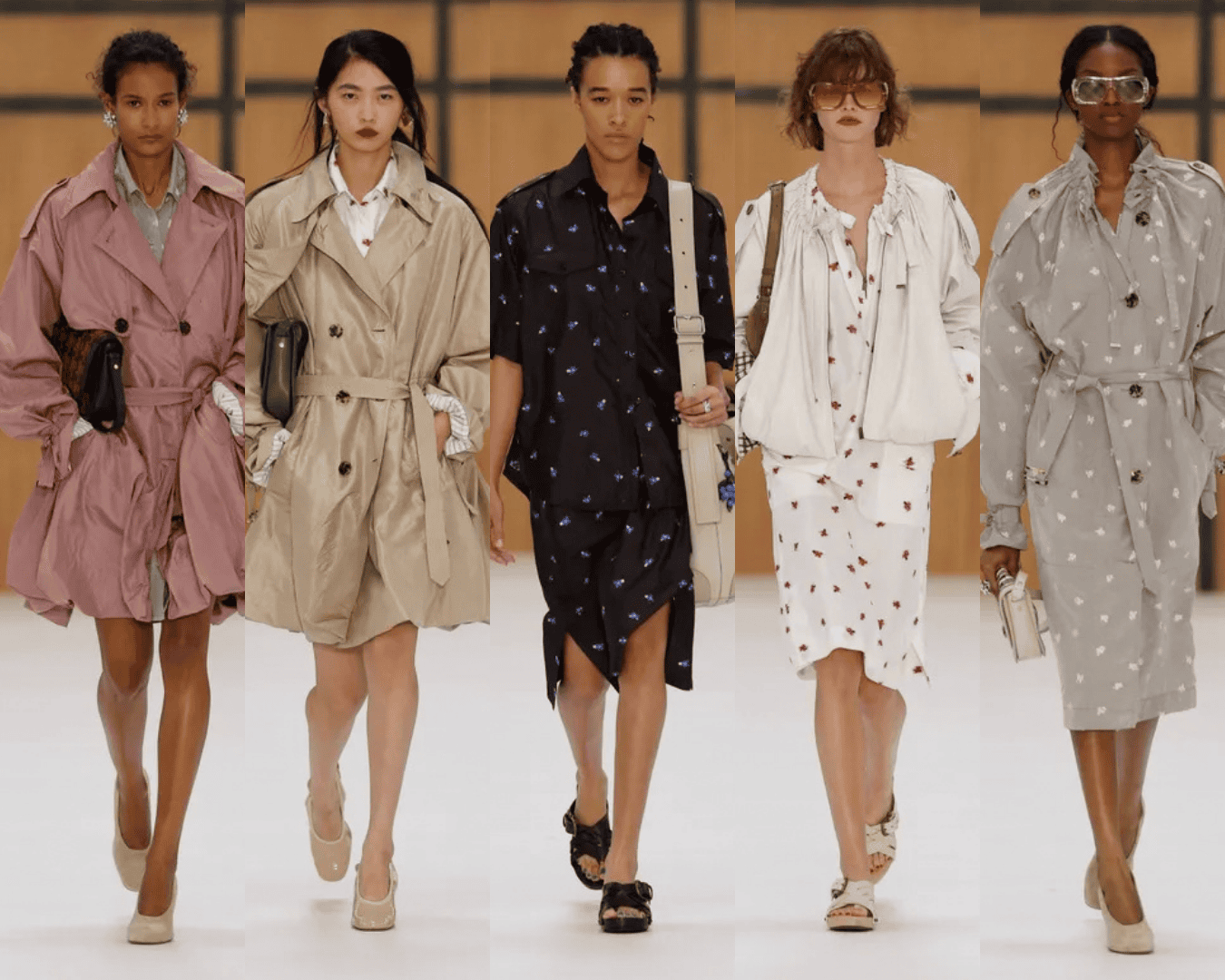
Images sourced from Tagwalk
Milan Fashion Week: Heritage Meets Modernity
In Milan, craftsmanship and recognizable house signatures remained important, but designers found new ways to interpret them. Tailoring became more fluid, transparency introduced lightness, and traditional materials took on different forms.
Etro
Images sourced from Kendam
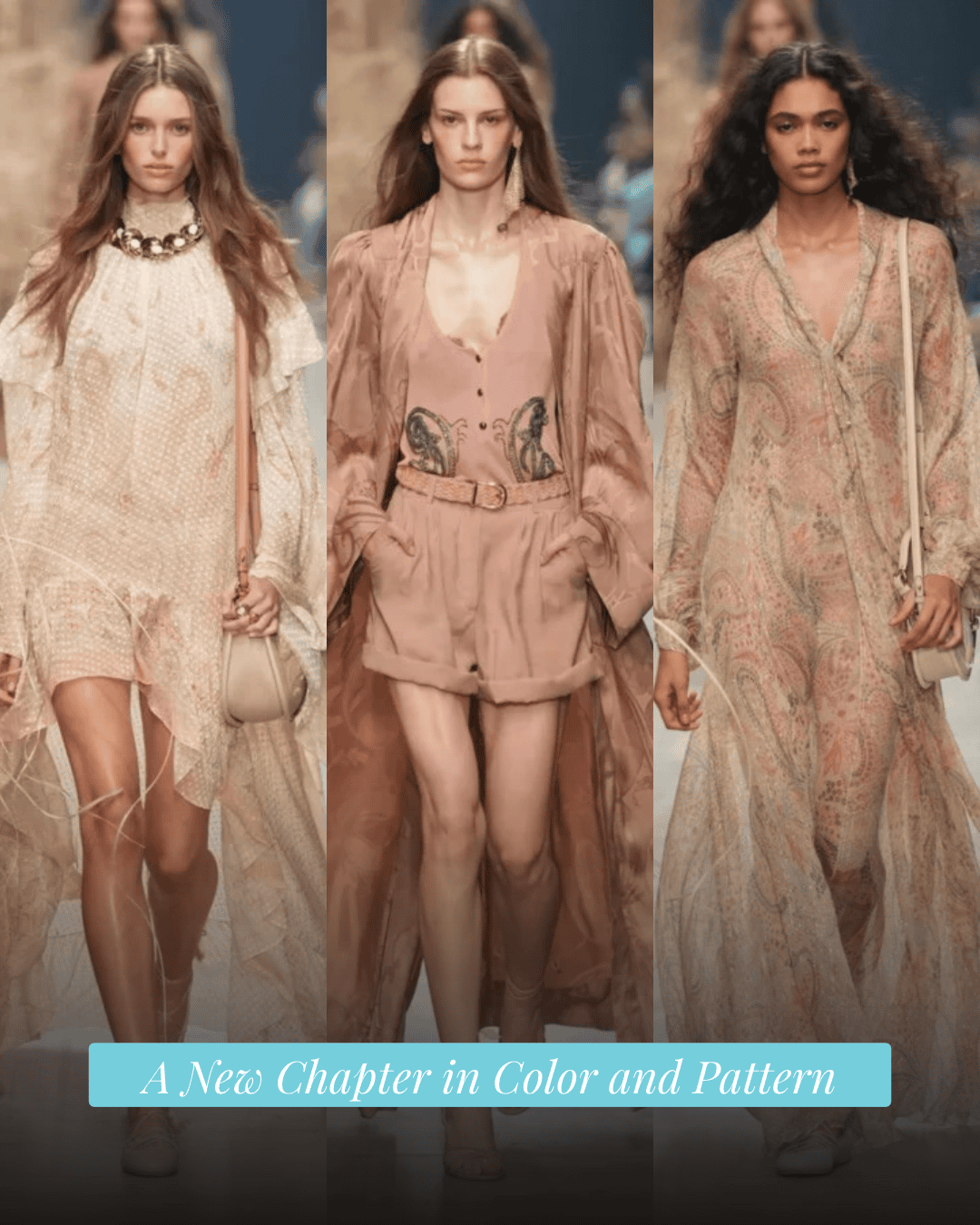
Etro’s Spring/Summer 2027 collection, titled Halo, explored the changing quality of light throughout the day. The palette moved from softer morning shades to vibrant sunset tones and deeper evening colors, while paisley and the house’s bohemian spirit remained at the center.
Flowing dresses, relaxed tailoring, suede, denim, faded prints, and airy layers gave familiar Etro signatures a lighter, more fluid character.
I liked how the collection maintained a recognizable identity without relying solely on its signature patterns. The interplay of color, texture, and movement made the pieces feel expressive while allowing the house’s heritage to evolve.
More Milan Collections to Know
Milan’s Spring/Summer 2027 collections offered different perspectives on craftsmanship, femininity, and modern dressing. At Ferragamo, Maximilian Davis drew on 1940s women’s workwear and Lee Miller’s years in Egypt, combining safari-inspired references, high-waisted tailoring, and strong-shouldered coatdresses with sheer fabrics and translucent trenchcoats. Updated F wedge shoes and Vara pumps connected the collection to the house’s heritage while keeping the overall look contemporary.
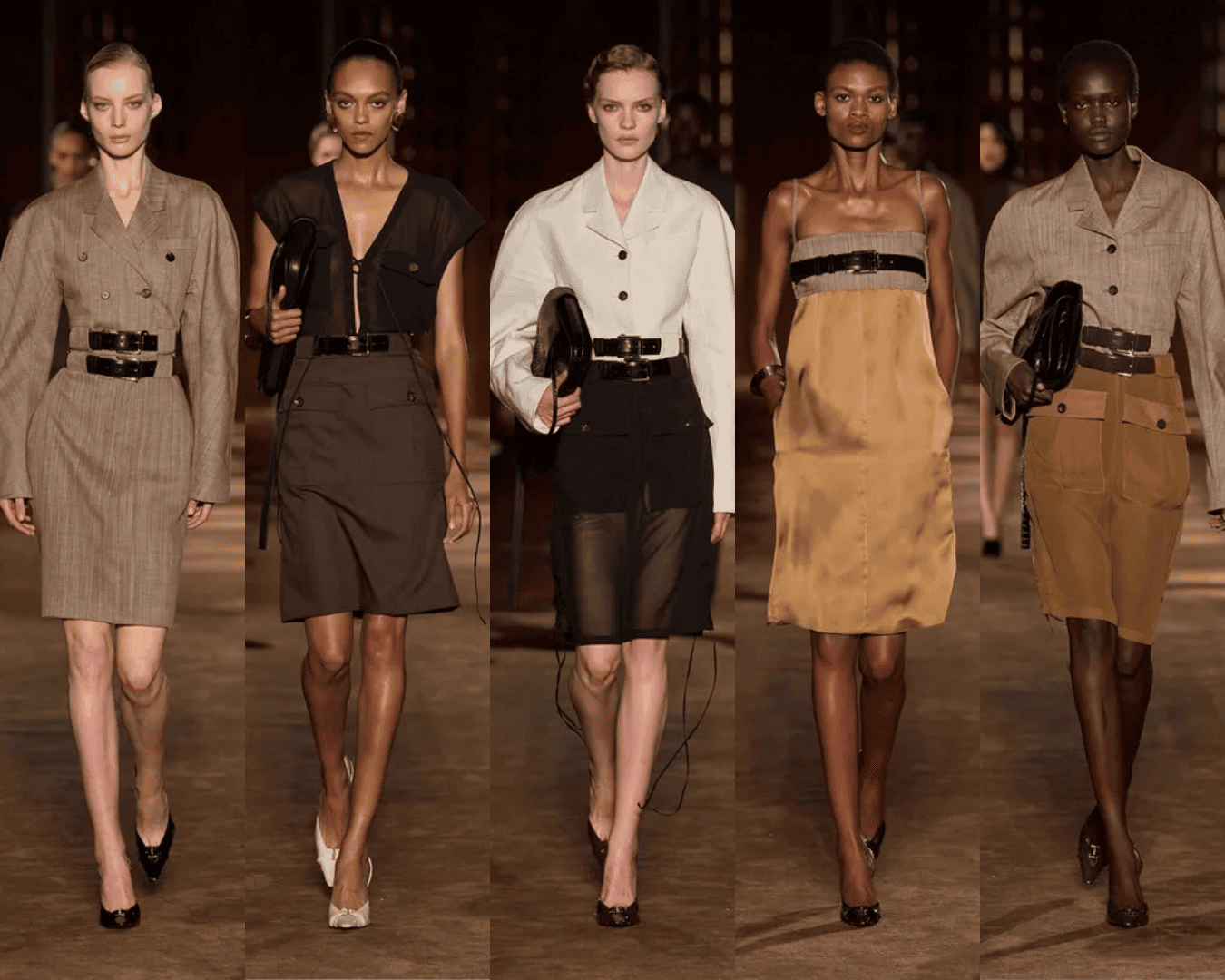
Images sourced from Tagwalk
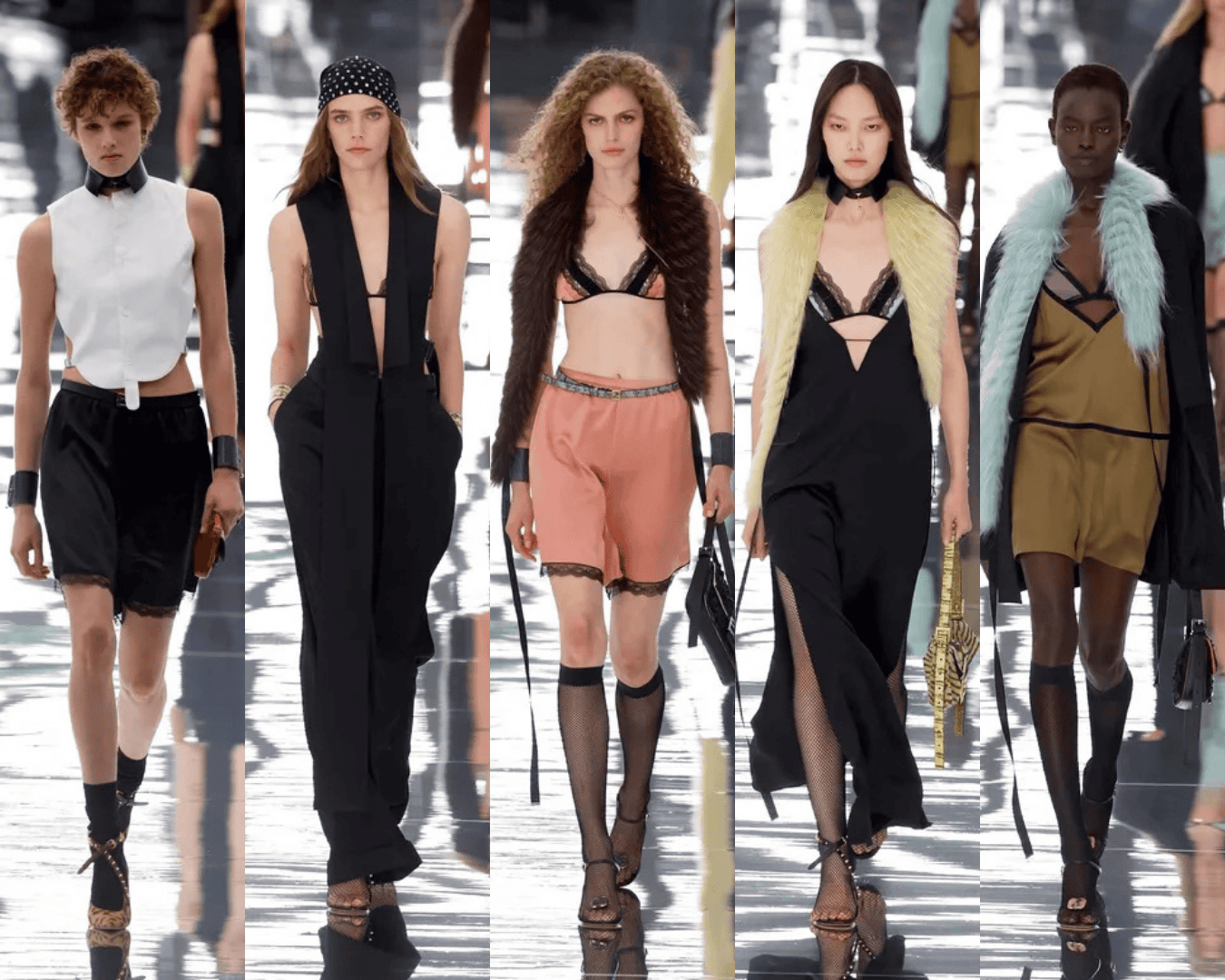
At Fendi, Maria Grazia Chiuri explored sensuality and the relationship between masculine and feminine dressing. Lingerie-inspired slips, lace, and cutout dresses contrasted with menswear tailoring, folkloric vests, fringe, and animal prints. Seventies disco influences added a touch of glam-rock decadence, creating a collection that moved between softness and strength.
Images sourced from Tagwalk
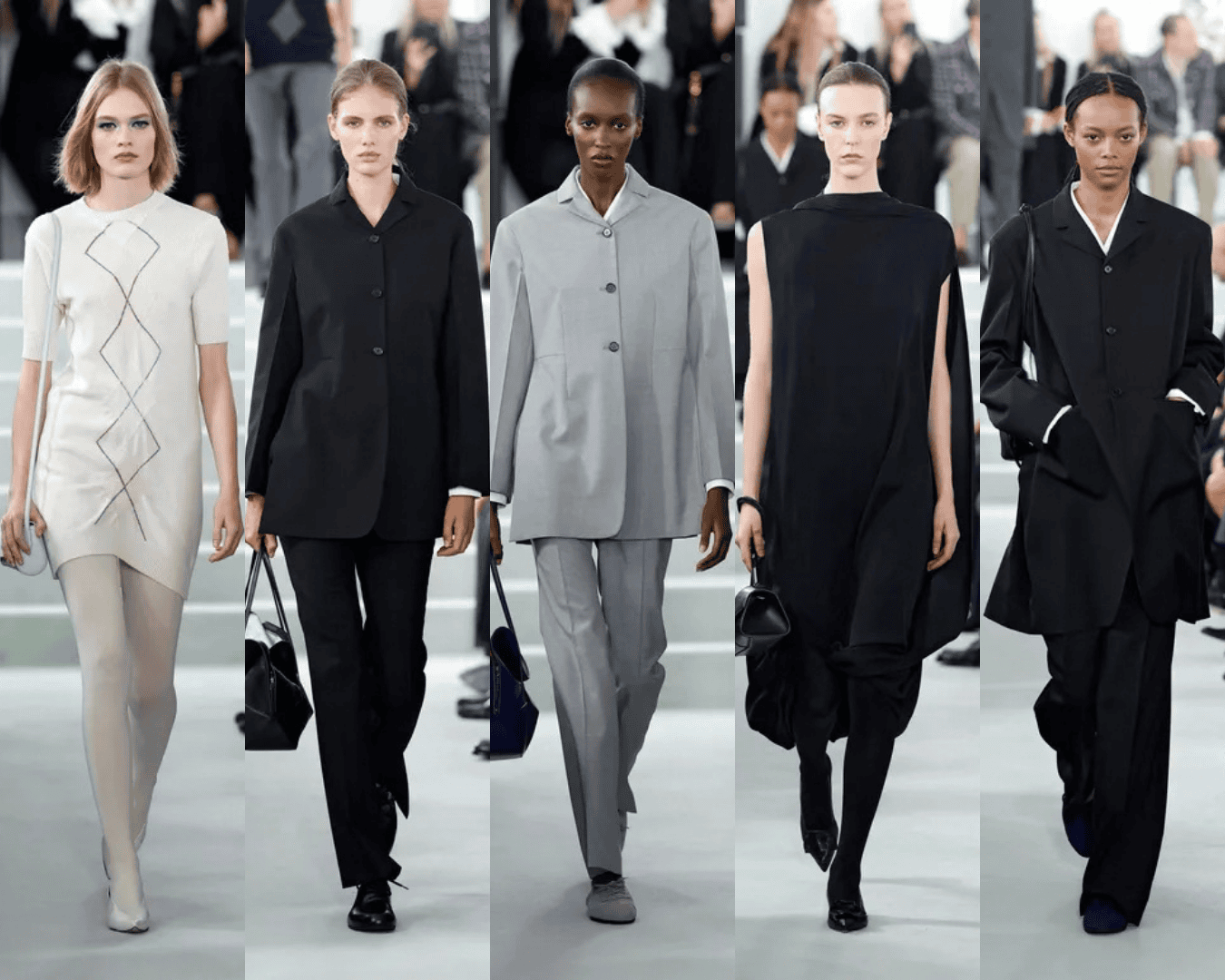
Jil Sander took a more understated approach, with Simone Bellotti introducing deliberate irregularity into the house’s signature minimalism. Rumpled tailoring, unusual button placements, gathered waists, and oversized collars disrupted classic silhouettes, while airy dresses brought softness to the collection. Sportmax also explored the balance between structure and lightness, using sheer tailoring, organza, translucent layers, and fluid silhouettes to imagine a wardrobe suited to warmer weather. Deconstructed leather and transparent Lucite accessories added a futuristic edge.
Images sourced from Tagwalk
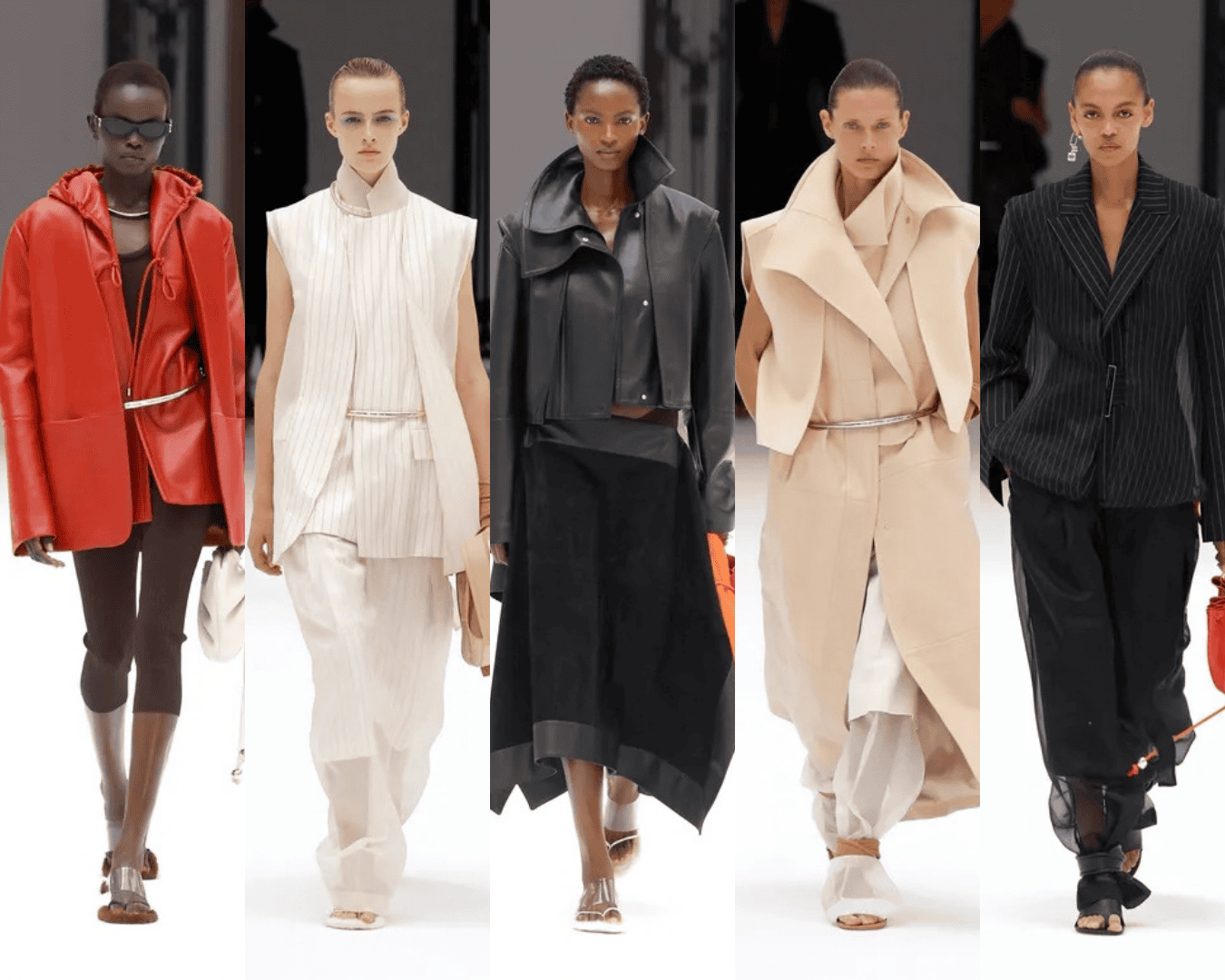
The Spring/Summer 2027 collection at Sportmax responded to intense heat waves with a focus on lightness and ease. Pinstriped voile suiting, organza trousers, and sleeveless coats brought an airy quality to tailored dressing, while Bermuda shorts layered beneath sheer trousers added an unexpected twist. Heavier suede skirts, double-layer blousons, and black leather contrasted with the lighter pieces, while silver hip rings, textured racer-back minidresses, and Lucite heels introduced a futuristic edge. I found the contrast between weightless fabrics and structured city dressing particularly interesting, giving the collection a distinctive balance of practicality and modern style.
Images sourced from Tagwalk
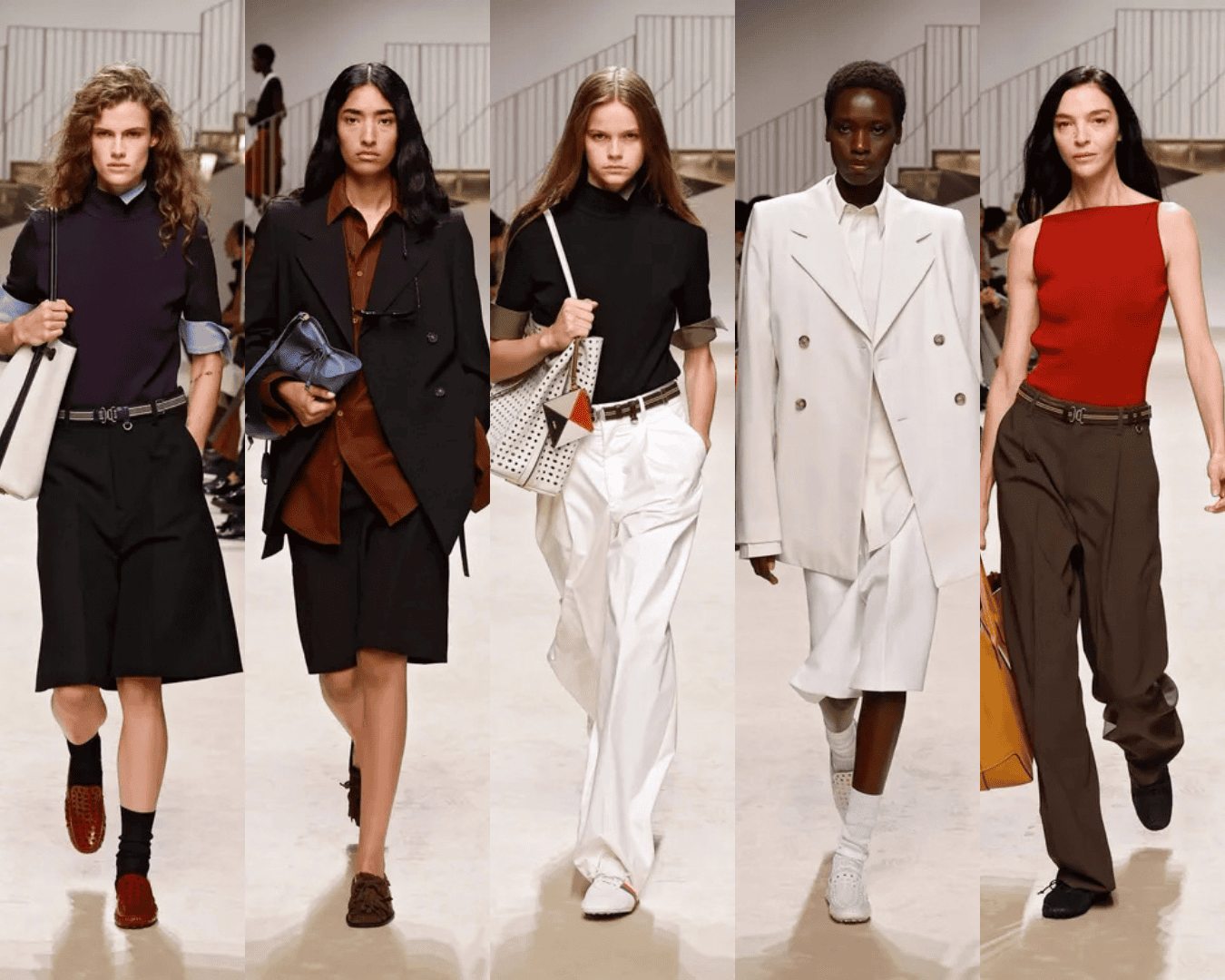
At Tod’s, Matteo Tamburini celebrated Italian craftsmanship and the personal references that shape individual style. Perforated leather, reimagined trenchcoats, and the signature Gommino loafer reinforced the house’s heritage, while natural tones and accents of saffron yellow, red, and horizon blue brought freshness to the collection. Across these designers, I noticed a shared interest in reinterpreting familiar codes through new materials, proportions, and details.
Images sourced from Tagwalk
Spring/Summer 2027 Trends That Caught My Eye
Looking across London and Milan, several themes connected the collections. Each designer approached them differently, but the same ideas appeared in new proportions, materials, and styling choices.
1. Sculptural Florals – Florals moved beyond traditional prints this season. Burberry explored expressive botanical patterns and dimensional embroidery, while other designers used volume, texture, and embellishment to give their designs a more sculptural quality. I like this direction because it makes floral dressing feel less predictable. The interest comes not only from the motif itself, but from how it is constructed and placed on the garment.
2. Micro Shorts and Unexpected Proportions – Shorter hemlines and contrasting proportions offered another way to rethink familiar dressing. From relaxed tailoring to more structured pieces, the balance between volume and exposure helped create silhouettes that felt modern without requiring complicated styling. The key is proportion. Pairing a shorter hemline with an oversized shirt, structured jacket, or more substantial footwear can create a look that feels intentional and balanced.
3. Sheer Dressing and Transparency – Transparency appeared across both cities, from AGRO Studio’s layered tulle and lace to Sportmax’s organza and Ferragamo’s translucent outerwear. Sheer fabrics can add depth and movement without relying on heavy embellishment. Layered over structured pieces or combined with contrasting textures, they offer a more dimensional approach to dressing.
4. Tailoring With a Twist – Classic tailoring remained important, but designers challenged its usual precision. Paul Costelloe explored relaxed proportions, Jil Sander introduced deliberate irregularity, and Tod’s reworked the trench coat through new materials and shapes. The result was tailoring that felt less rigid. Small changes in construction, proportion, and fabric were enough to give familiar pieces a different character.
5. Texture and Craftsmanship – Texture became an important part of each collection’s visual identity. AGRO Studio manipulated buttons and sheer fabrics, Burberry introduced dimensional embroidery, and Tod’s highlighted the natural qualities of leather. These details reinforced something I always look for in fashion: the way a material is handled can be just as important as the silhouette itself.
6. Heritage Reimagined – Both cities showed that looking to the past does not have to mean reproducing it. Burberry revisited British textile design through Celia Birtwell, Simone Rocha drew inspiration from Caravaggio, and Tod’s continued to reinterpret Italian craftsmanship. Across the collections, familiar references became starting points for something new. The strongest ideas were not simply nostalgic. They offered a fresh perspective on what those references could mean today.
Final Thoughts
London and Milan approached Spring/Summer 2027 from different creative perspectives, but both demonstrated how much can change when designers reconsider familiar ideas.
London brought artistic references, sculptural shapes, romantic details, and unexpected combinations to the forefront. Milan explored craftsmanship, material innovation, and the balance between structure and softness.
What connected the collections was a willingness to look beyond the obvious. Whether through a reworked trench coat, a distorted sheer surface, or an unexpected approach to tailoring, the details made the difference.
For me, the most interesting pieces are always the ones that make me look twice. They encourage me to think about how something is made, how it moves, and how it might translate into personal style beyond the runway.
Until next time.
Always be kind, x
Erica
